Family trips change as kids grow. What works with toddlers doesn’t land the same way with teenagers, and parents usually want something more than a kids’ club and a buffet. The sweet spot is a place that gives everyone room to do their own thing, then pulls them back together at the end of the day. Luxury helps, but only when it’s relaxed and practical rather than showy.
These five destinations do that well. They’re places where days fill up without much effort, where children are curious rather than restless, and where adults don’t feel like they’re sacrificing their own enjoyment. None of them feels staged for families. They just happen to work.
Making Memories in Sunny Marbella
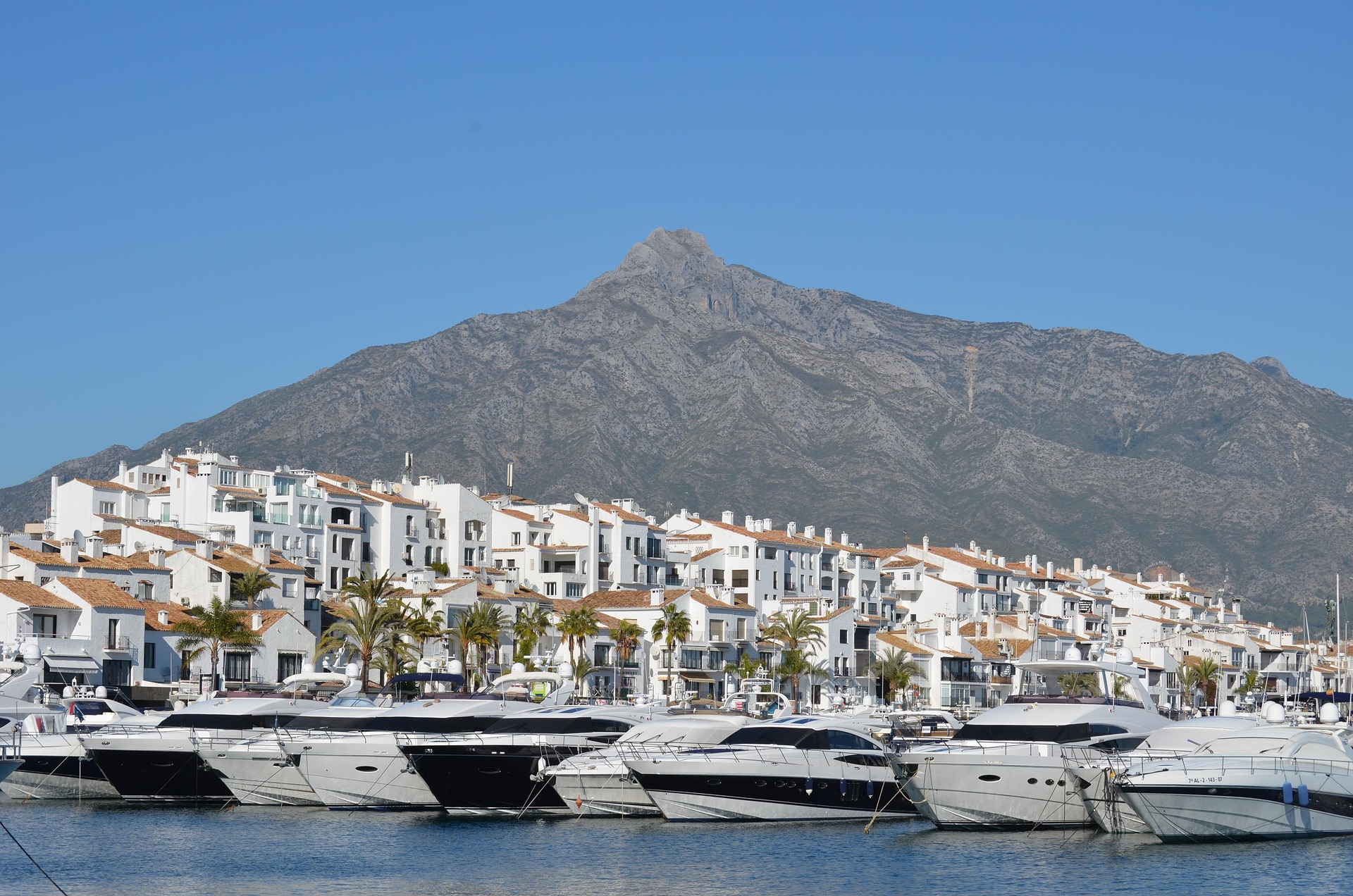
Marbella works because it doesn’t rush anyone. Mornings often start slowly, with kids drifting between the pool and breakfast while parents read the news or plan nothing at all. Staying in Spanish luxury family villas makes a big difference here. Space matters when everyone’s on a different schedule, and having a kitchen and garden takes the edge off the week.
Days tend to revolve around simple pleasures. A late lunch at a beach chiringuito where sardines are grilled outside, sand still on everyone’s feet. Older kids wander off to paddleboard while younger ones build half-finished castles near the waterline.
Evenings are easy. Short drives, familiar faces, nowhere that feels too formal. Marbella doesn’t ask much of families, which is exactly why it works so well.
Discovering Wonders Together in Tuscany
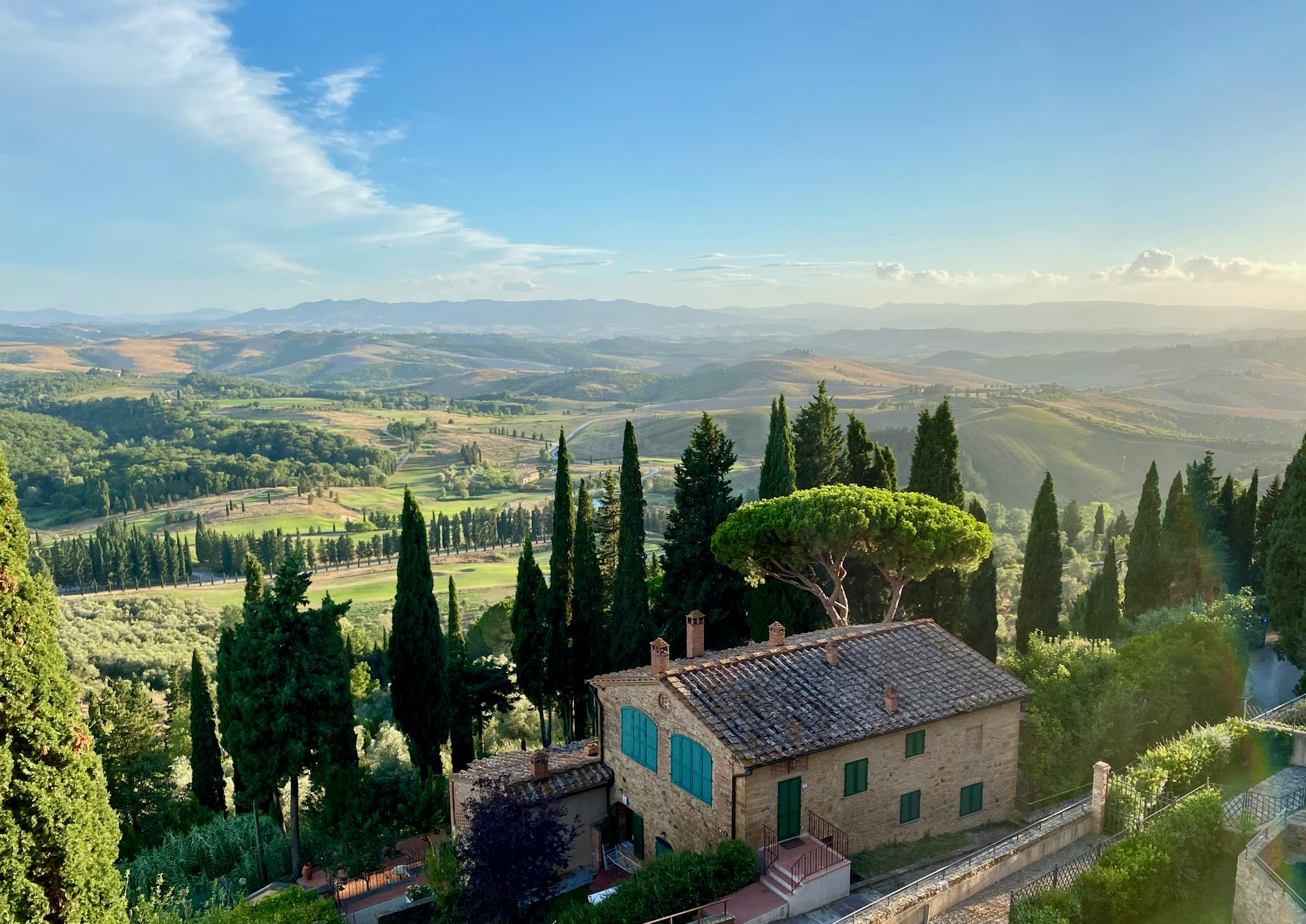
Families tend to settle into old farmhouses in Tuscany where thick stone walls stay cool even in the height of summer. Windows are often left open all day, letting in the sound of cicadas and the faint smell of dust, herbs, and sun-warmed earth. Children quickly pick up that time moves differently here. Days unfold slowly, shaped more by mealtimes and weather than by any fixed plan.
One afternoon might be spent walking into a nearby town for gelato, passing locals who stop to chat or argue gently over nothing important. Another could disappear into the rhythm of the house itself. Helping a host pick tomatoes from the garden, watching pasta being rolled out on a wooden table that’s been used the same way for decades, learning that dinner doesn’t start until it’s ready.
Parents often appreciate how grounded it all feels. There’s no pressure to entertain constantly or fill every hour. The landscape invites wandering rather than rushing, and meals stretch on because nobody’s checking the time. Tuscany has a quiet way of teaching patience, without ever making it feel like a lesson.
Creating Curious Explorers in the Norwegian Fjords
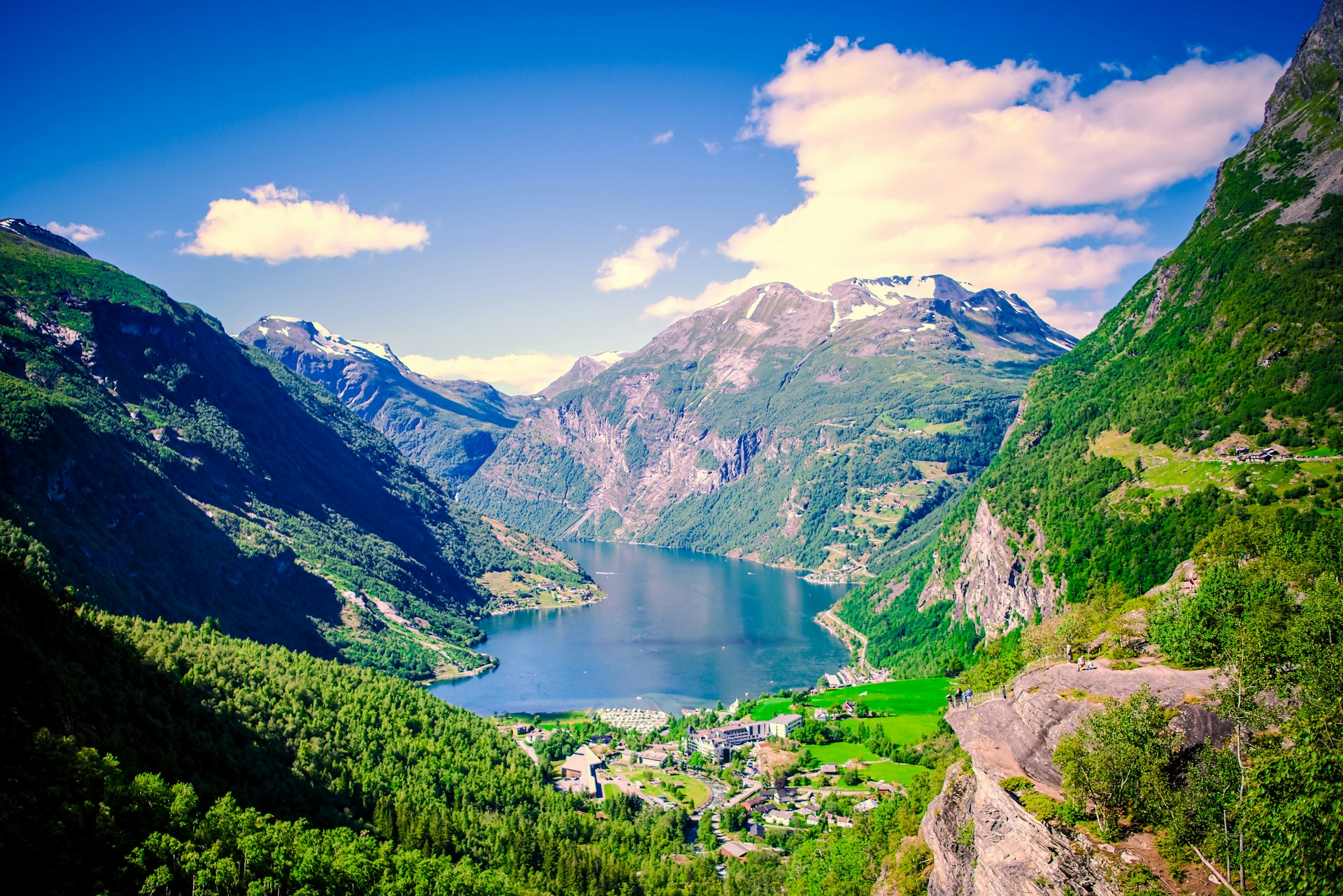
The Norwegian fjords have a way of making children ask questions. Why is the water so dark? How did the cliffs get like that? Travelling slowly here encourages curiosity, especially when families explore by small ship cruises in the Norwegian Fjords rather than sticking to busy ports.
Onboard life is calm and practical. Cabins are comfortable without being fussy, and days are shaped by the scenery outside the windows. Kids spot waterfalls before adults do, calling everyone over.
Off the ship, experiences feel real. Short hikes, quiet villages, and fishermen unloading their catch. Even teenagers tend to put their phones away, if only for a while. The fjords don’t entertain loudly. They just hold attention.
Fun-Filled Days on the Algarve Coast
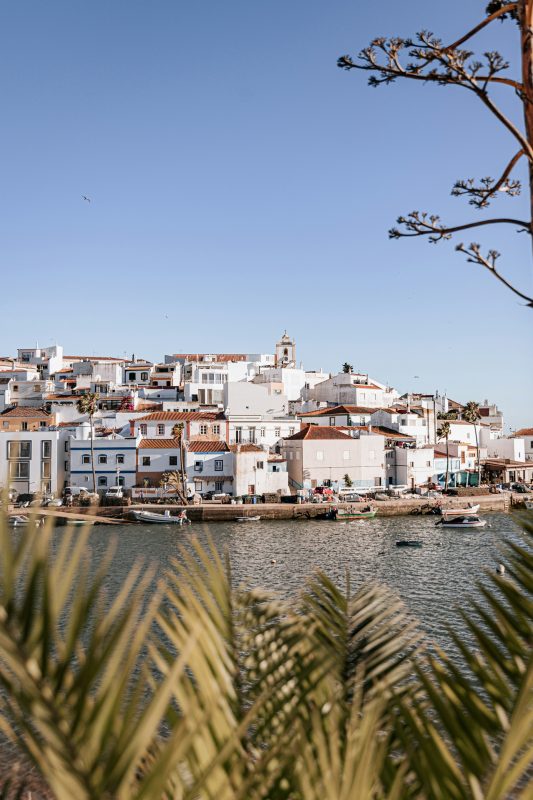
The Algarve is friendly in a very straightforward way. Beaches are wide and open, the water stays clear even after a busy morning, and towns feel lived-in rather than curated for visitors. Many families on holiday in the Algarve base themselves near smaller villages instead of resorts, where bakeries open early, and the same faces appear each morning. Kids learn quickly where the best pastel de nata comes from, and which café doesn’t mind sandy feet.
Days usually begin outdoors without much discussion. Rock pools at low tide turn into quiet competitions over who can spot the smallest fish. Bodyboarding lessons stretch longer than planned because the waves behave differently every hour. Coastal paths don’t feel like hikes so much as wandering, with cliffs that make everyone slow down without realising it.
Lunch happens when hunger finally wins. Somewhere casual, often with sandy floors, long menus, and staff who don’t rush families through decisions. What parents tend to appreciate most is the lack of tension. Plans shift easily here. The Algarve bends without breaking, and family days are better for it.
Exploring Dramatic Landscapes in Reykjavik
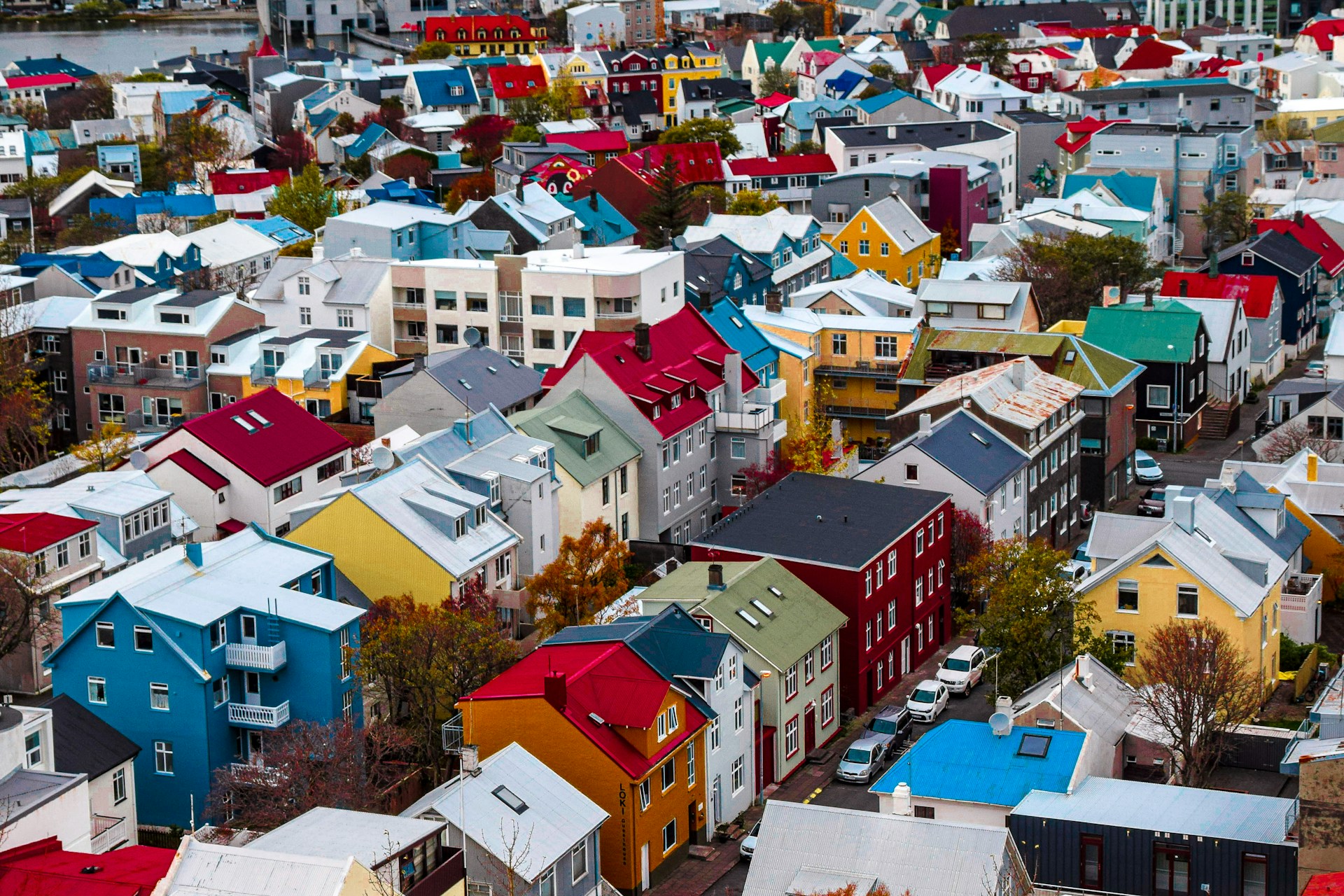
Reykjavik is great for families because it’s both compact and exciting, with endless things to see and do. Colourful houses line quiet streets, backed by mountains that look close enough to touch. The landscape feels unfinished, like the ground is still cooling down. Kids clock that straight away. Steam rises from pavements on cold mornings, and sulphur hangs faintly in the air.
Day trips are where the memories stick. Geysers erupt on a schedule nobody controls, sometimes late, sometimes early, always drawing a small crowd. Waterfalls here are incredible, with water cascading down at immense speeds that make children feel a rush of awe. Even short drives turn into geography lessons without anyone trying to teach. Lava fields stretch on for miles, empty but oddly comforting.
Back in the city, evenings stay simple. Swimming pools replace cinemas, with hot tubs full of locals chatting. Dinner leans towards soup, bread, and fish, all traditional, hearty meals that warm you up from the inside. Reykjavik doesn’t soften itself for visitors, and families usually respond well to that.
Summary
Family travel isn’t about ticking off landmarks or keeping everyone busy every minute. It’s about shared reference points that resurface years later, often unexpectedly. A meal, a view from a window, a long drive where nobody spoke much.
These destinations give families the space to create those moments without forcing them. They’re comfortable, but not insulating. Engaging, without being overwhelming. The kind of places children remember not because they were designed for them, but because they felt included.
The real question isn’t where to go next. It’s which of these places might quietly become part of your family’s story!