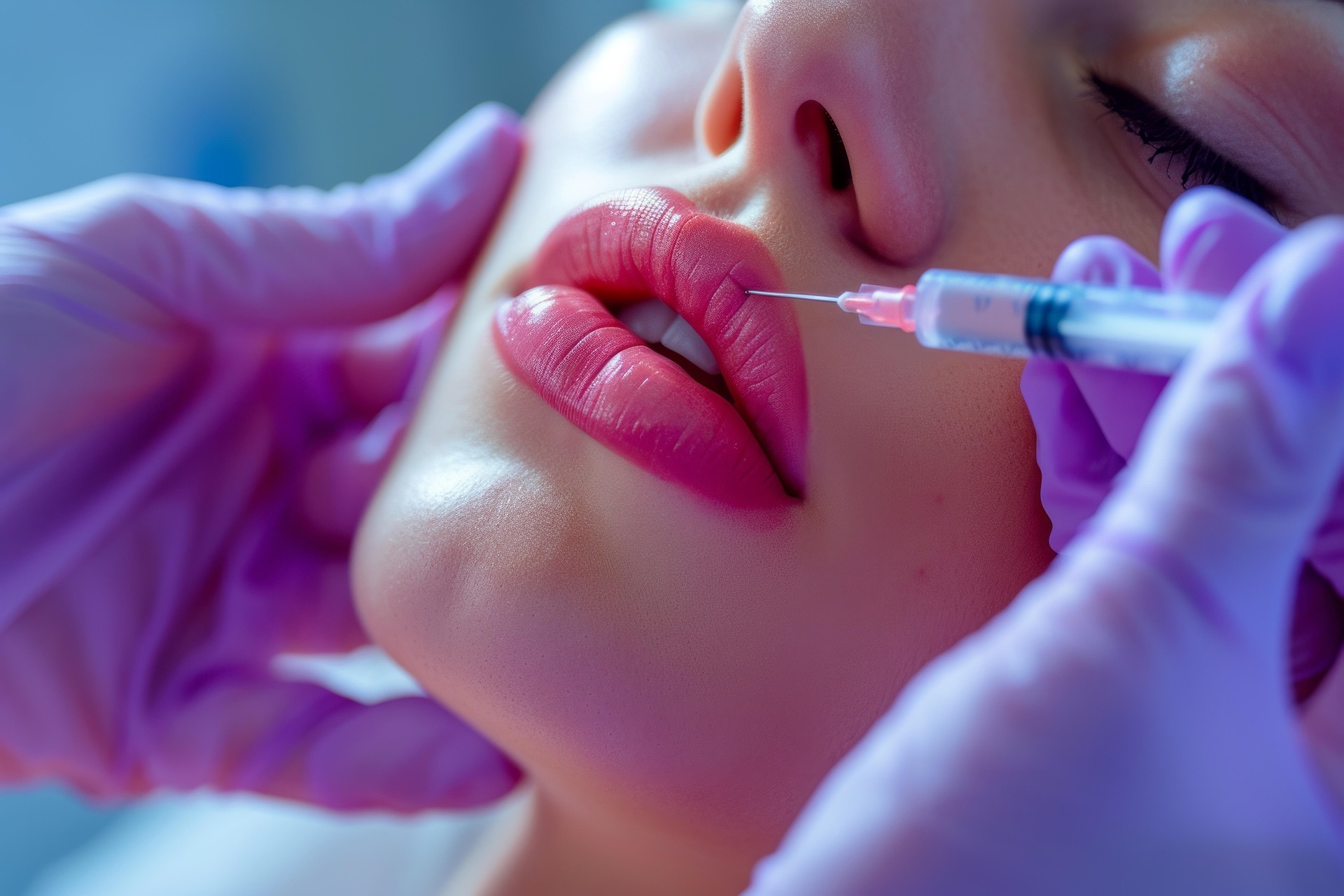
As tweakments grow more mainstream, clinicians say 2026 is the year consumers need to sharpen their instincts. With more clinics, more trends and more marketing than ever, knowing what not to do has become just as important as knowing what works.
Overfilling
One of the biggest red flags this year is over-filling. Experts say they’re treating more “filler fatigue” than ever before, where repeated top-ups have blurred the face’s natural structure. As Dr Richard Devine, founder of Devine Clinic explains, “When filler is repeatedly layered on top of old product, the face loses its natural architecture and starts to look swollen. In 2026, the smartest trend is editing, not adding.” Another adds, “If you can spot the tweakment before you see the person, it’s already overdone.”The direction for 2026 is clear: dissolving, refining and restoring balance rather than piling on more product.
Bargain Injectables
The second major warning is the surge of bargain injectables. Cut-price filler deals are everywhere, but dermatologists say these offers almost always signal compromised safety. “If filler is cheap, something else is paying the price. Safe, regulated products cost money,” notes Anastasia Koles, advanced nurse practitioner at ALTA Medispa. And cost doesn’t change risk: “A blocked artery can happen with £100 filler or £400 filler. The difference is whether your injector knows how to manage it.” Consumers are urged to prioritise training, not price tags.
Unqualified Practitioners
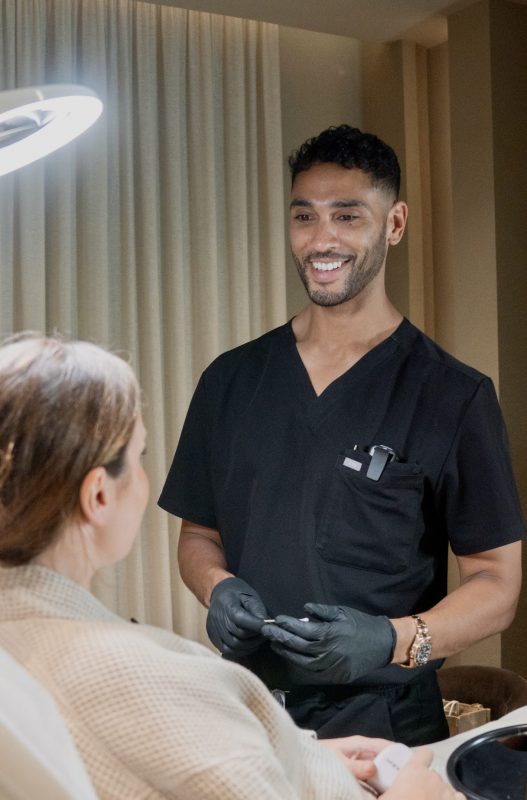
Then there’s the rise of unqualified or semi-qualified practitioners. Beautiful Instagram feeds can mask a worrying lack of medical experience. As Dr Richard Devine puts it, “If someone can’t clearly explain their medical background and experience in handling complications, that’s your cue to leave.” Another adds, “You should never be injected by someone who would panic if something goes wrong.” This is the non-negotiable red flag of 2026.
A newer concern is consumers chasing high-energy laser treatments without proper assessment. Viral trends have pushed IPL, resurfacing lasers and fractional devices into the mainstream, but these aren’t universal treatments. “High-energy lasers can give beautiful results, but only when they’re matched to the right skin type and used at the right settings,” says dermatologist Dr Alma Kamenica. “The red flag is choosing the device before choosing the practitioner. Sometimes what the skin actually needs is a modern, controlled IPL – for example, Lumecca Peak – rather than the most aggressive laser. The right technology always depends on the individual.”

Finally, the boom in aggressive at-home devices has led to an increase in barrier damage and pigment issues. As Dr Aliaa Ahmed at Harley Street Dermal warns, “We’re seeing a rise in barrier damage and pigmentation from people using aggressive at-home devices. At-home tools should support your skin, not override it.” Experts say 2026 is the year to stop trying to recreate clinic-grade results at home. High-energy work belongs in a medical setting, where devices are calibrated, skin is properly assessed and treatments are performed under controlled conditions. In-clinic technology is always safer, more consistent and more effective than any gadget you can buy online, and it’s the only way to achieve real results without compromising the skin.
The Bottom Line
If something feels rushed, extreme or suspiciously cheap, it probably is. The smartest approach in 2026 is subtle, steady and medically led.