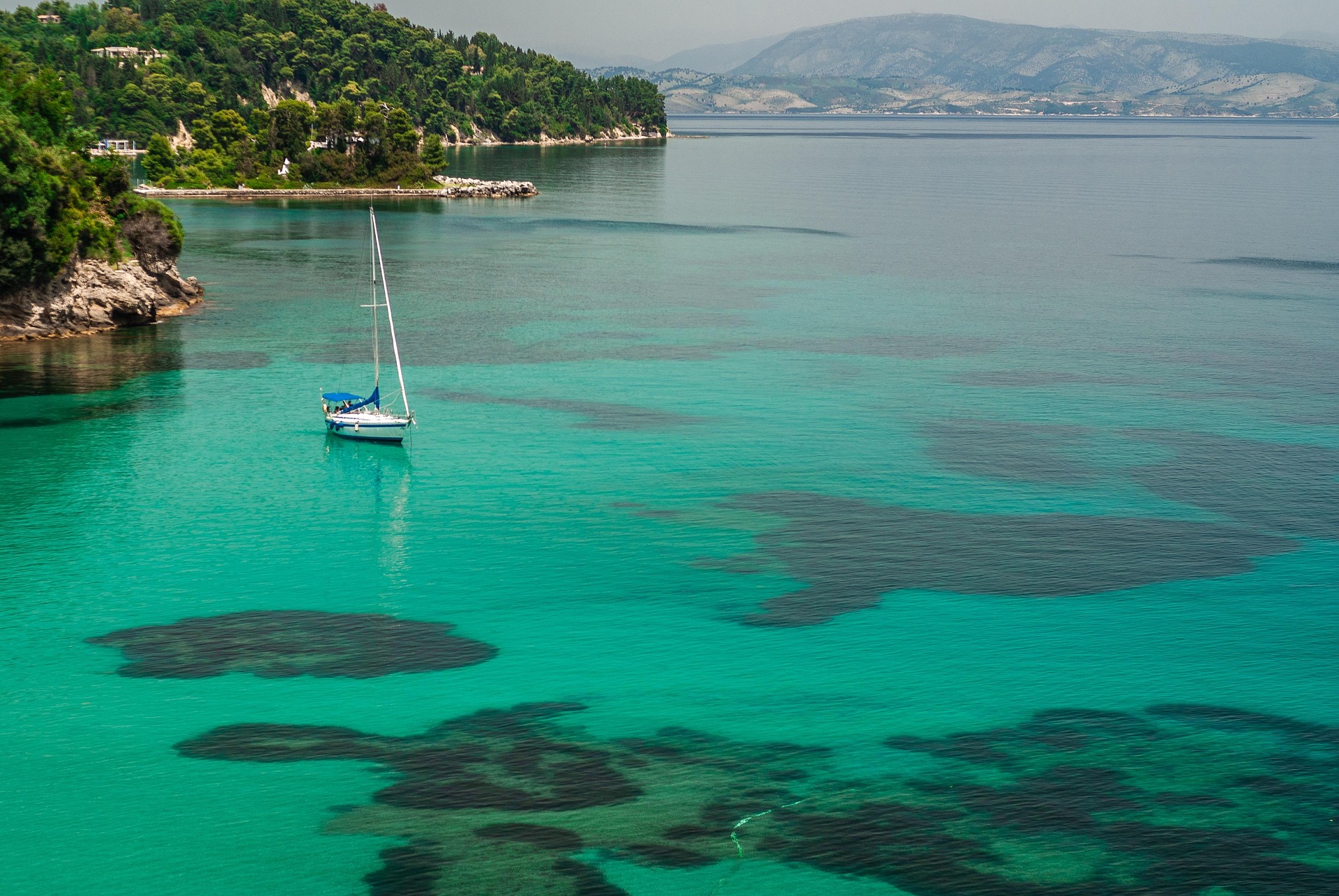
Corfu isn’t just another Greek island. It’s the one where the greenery actually rivals the beaches, and the history feels a bit more Venetian than Ancient Greek. If you’re eyeing up the Ionian Sea for your next break, this place usually tops the list for good reason. It’s got a weirdly wonderful mix of cricket pitches, ginger beer, and proper chaotic Mediterranean driving.
It’s big enough that you won’t get bored in a week but small enough to drive across without wasting half your holiday. Whether you want to lie on a sunbed until you turn a shade of mahogany or actually hike up a mountain, it works. The vibe shifts massively depending on where you land, so knowing the layout before booking flights is absolutely key to avoiding the party strip if you want peace and quiet.
Planning Your Trip
Getting the logistics right for Corfu is fairly straightforward, but there are a few things that catch people out. The flying time from the UK is usually around three hours, which is just about manageable without losing a full day. Airlines fly into Ioannis Kapodistrias airport, which has a runway almost sitting in the water. Once you land, don’t rely on the blue buses unless you are staying right in town or Benitses.
Renting a car is arguably the best move if you want to leave the resort. The roads can be narrow, winding, and poorly lit at night, so a smaller car is generally smarter than a massive SUV. Before you book anything, check the entry requirements and health advice. It’s always sensible to prepare with single-trip travel insurance just in case a flight gets cancelled, or you have a minor mishap on a moped. May and September are the sweet spots; July and August get ridiculously hot and crowded.
Finding a Place to Stay
Choosing where to base yourself will dictate the entire feel of the holiday. The island is roughly divided into the north, which is mountainous and pebbly, and the south, which is flatter with sandy beaches. For families or couples wanting quiet, the north-east coast, places like Agni or Kalami, is often the go-to. It’s locally nicknamed “Kensington-on-Sea” because it’s a bit posh, but the tavernas are top-tier.
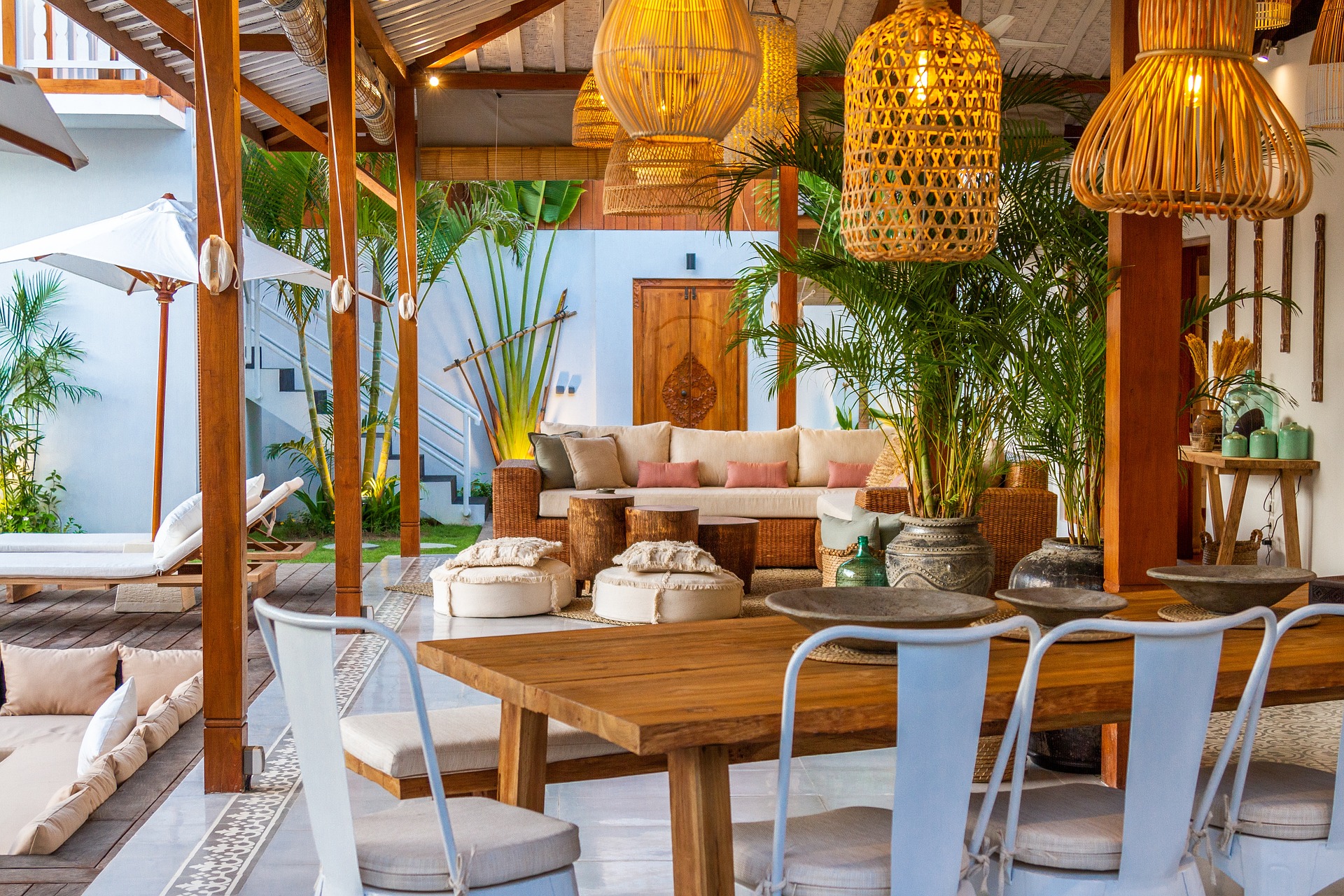
If you head west towards Paleokastritsa, the scenery gets dramatic, but the water is colder. Backpackers often stick to the Pink Palace area, but that’s a whole different vibe. For those wanting privacy and a pool, there are plenty of incredible holiday villas in Corfu dotted around the hillsides, usually offering better value than the big hotels if you’re in a group. Just check the access roads on Google Maps first; some driveways are steep enough to test your clutch control.
Exploring Corfu Town
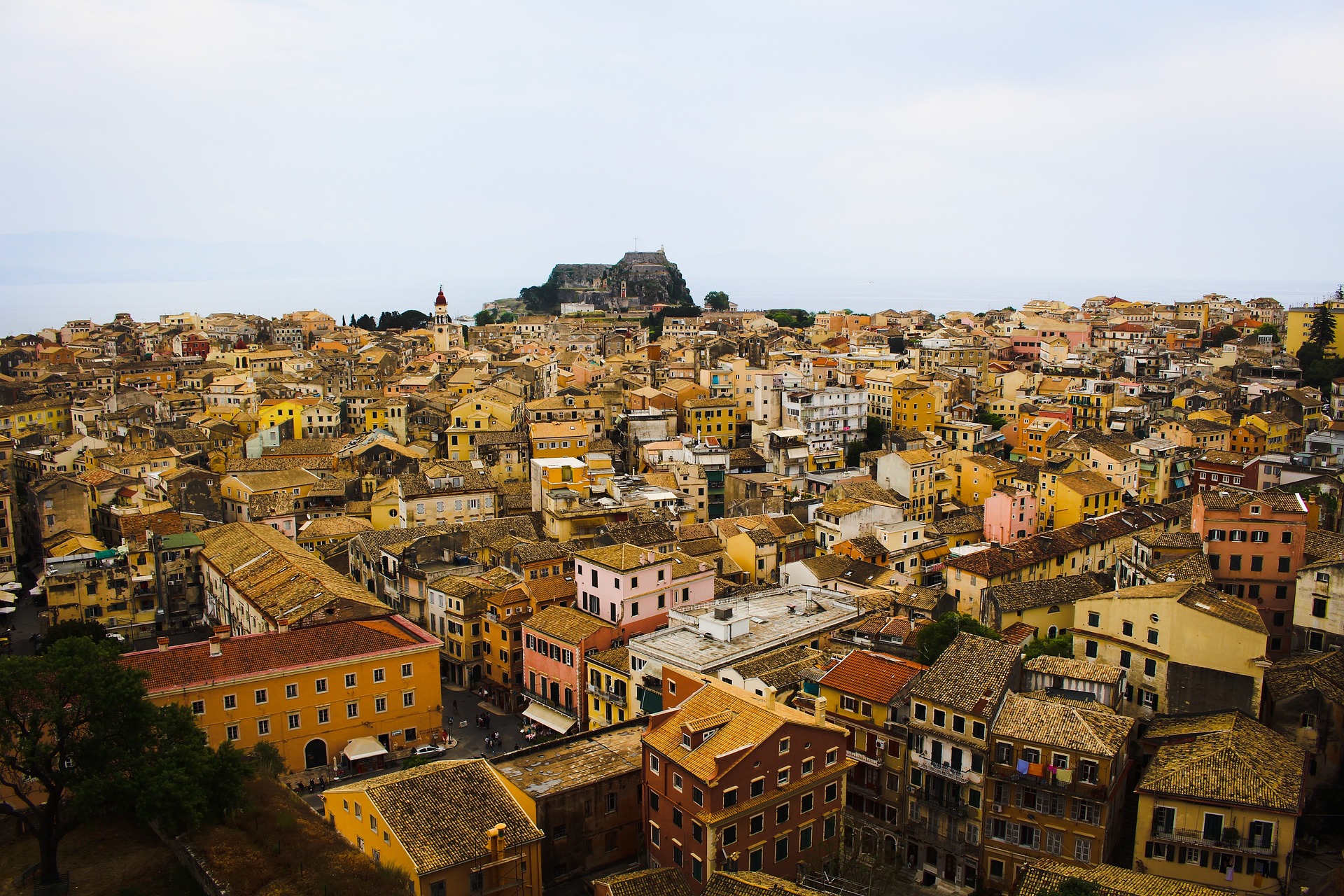
Corfu Town, or Kerkyra, is the capital and honestly deserves more than just a quick pass on the way to the airport. It’s a UNESCO World Heritage site, but don’t let that make you think it’s a museum. It’s a living, noisy town. The architecture is heavily influenced by the Venetians, so expect tall buildings, narrow alleyways (kantounia), and washing hanging out to dry two floors up. Parking is a nightmare, so pay the few euros for the lot near the Old Fortress and walk in.
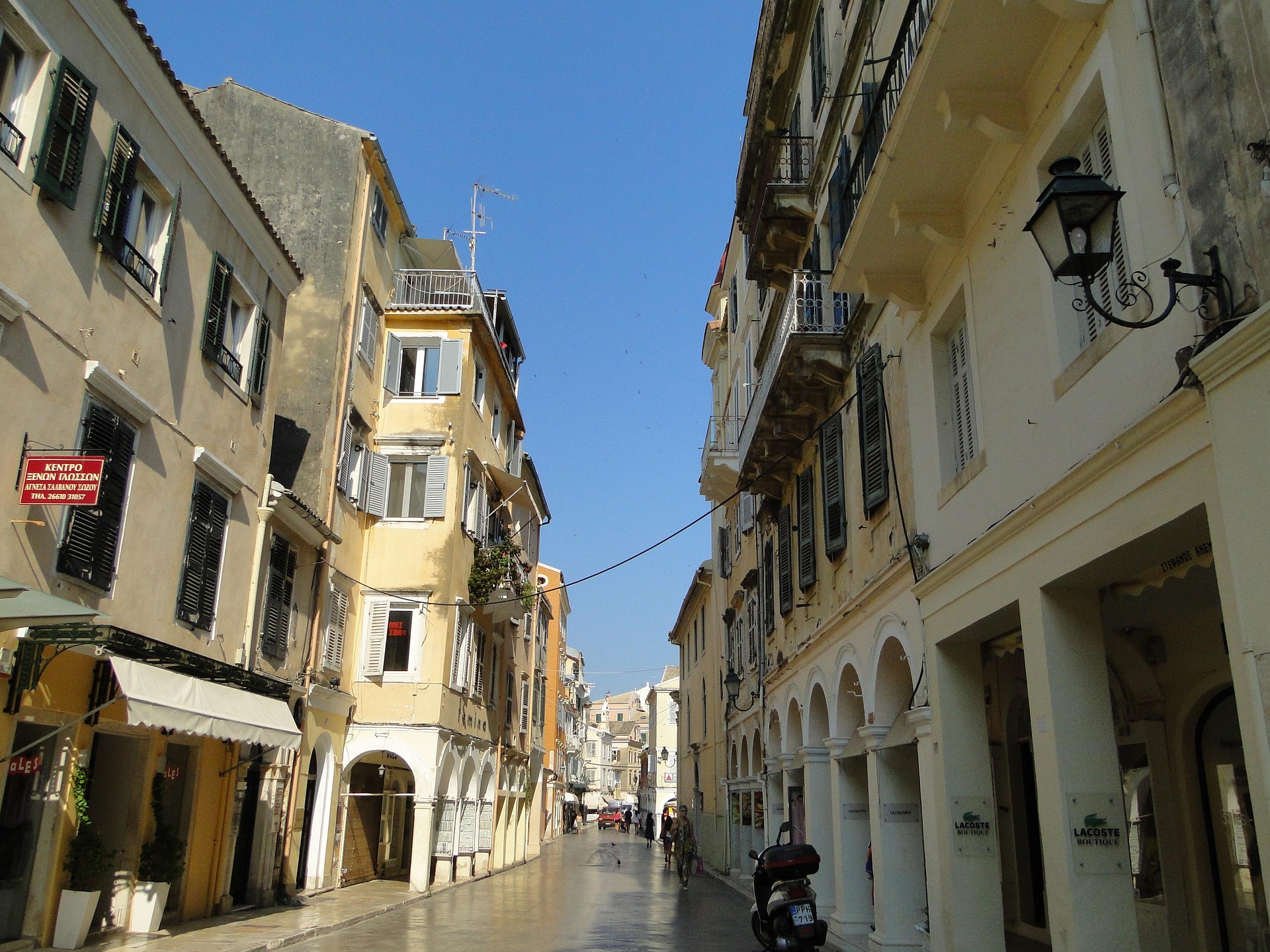
Head to the Liston. It’s an arcade of cafes modelled on the Rue de Rivoli in Paris. The coffee is overpriced, but you’re paying for the people-watching. Behind the Liston is the Spianada, a massive green square where locals play cricket, a hangover from British rule. Wander deeper into the Campiello quarter to get lost. You’ll find tiny shops selling kumquat liqueur and leather sandals. It’s best visited in the late afternoon when the heat breaks and the swallows start diving around the church towers.
The Best Beaches
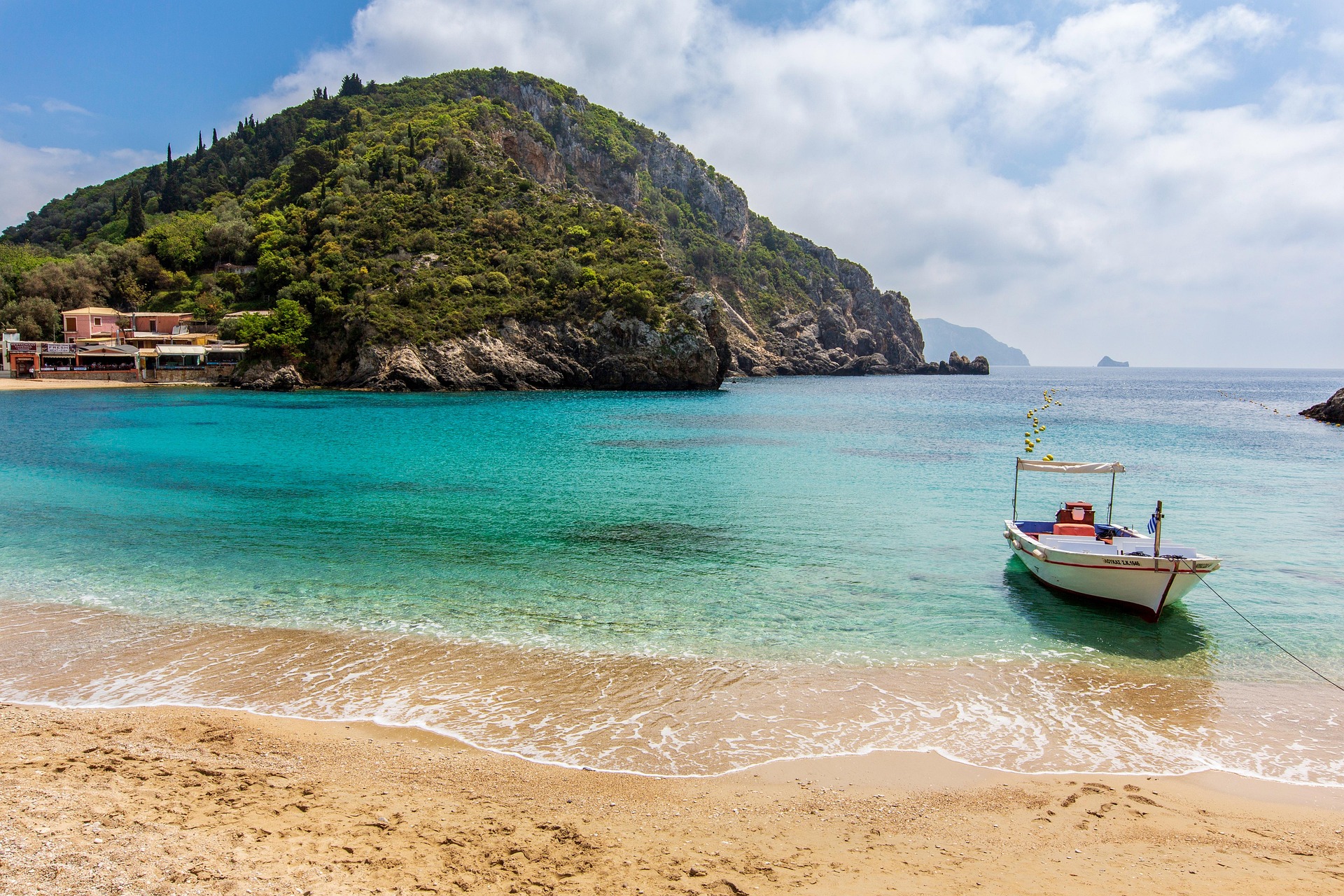
You can’t come here and not talk about the coast. The water clarity in the Ionian is generally excellent. Paleokastritsa is the famous one on postcards, with its coves and monastery on the hill. It’s great, but it gets absolutely packed by 11 am. If you want a sunbed there, you need to be an early riser.
For something wilder, drive down south to Halikounas. It’s a massive strip of sand separating the sea from Lake Korission. There are no hotels looming over it, just dunes and a kite-surfing shack. It can get windy, which is perfect for surfers but can annoy sunbathers, so check the forecast. On the west coast, Glyfada and Agios Gordios are solid choices with soft sand and impressive cliffs, though the drive down the hairpin turns to get there isn’t for the faint-hearted.
Food and Drink
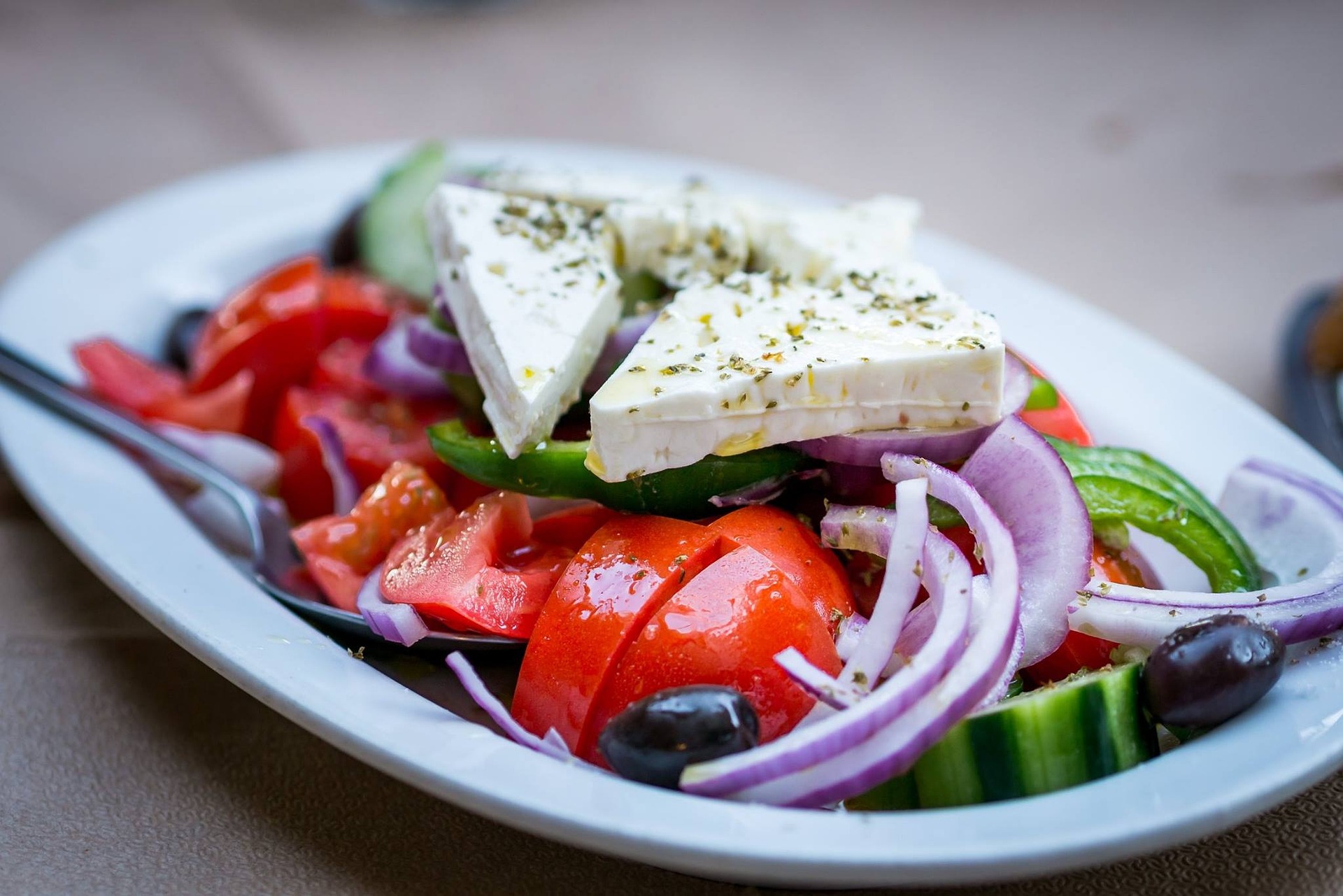
Corfiot food is distinct from the rest of Greece. You won’t just find moussaka and souvlaki here; the Venetian history brought spices and different cooking methods. The big dish to try is pastitsada. It’s usually roast beef slow-cooked in a red wine and tomato sauce with spices like cloves and cinnamon, served over thick pasta. It’s heavy, comforting, and absolutely delicious.
Another staple is sofrito, which is thin slices of beef cooked with garlic and vinegar. It’s incredibly garlicky, so maybe don’t order it on a first date. For a drink, the local weirdness is kumquat liqueur. The island is covered in these little orange trees. The bright orange version is sickly sweet, but the clear version is stronger and better.
Avoid the places with photos of food on the menu outside, as these tend to be overpriced tourist traps. Look for a tavern where the tablecloths are paper and the old men are drinking ouzo at 11 am.
Is Corfu the Right Choice for You?
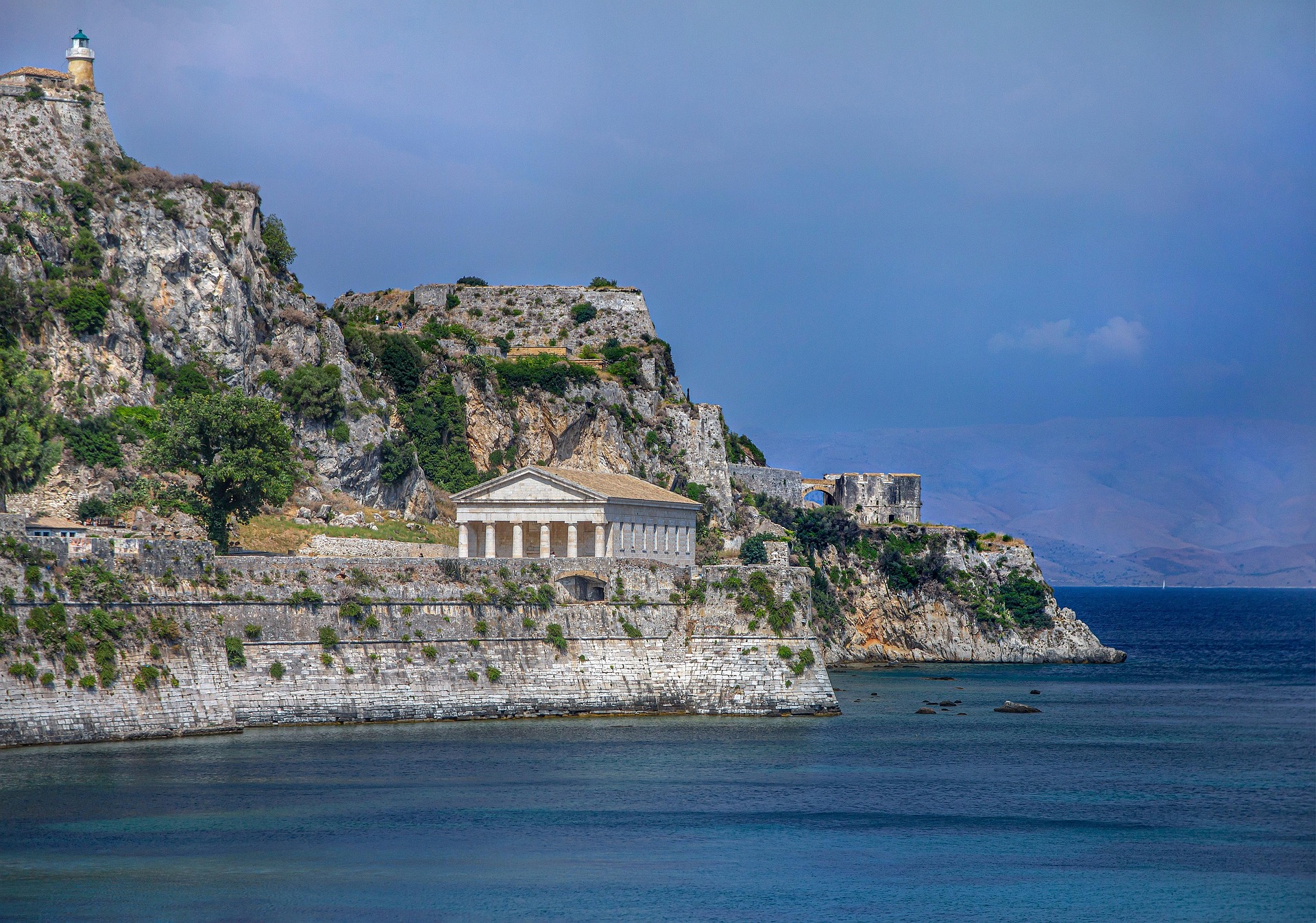
Corfu manages to balance being a major tourist hub with keeping its own distinct identity. It’s not as polished as Santorini or as wild as Crete, but it sits comfortably in the middle. It’s got the history, the food is interesting, and the beaches range from rocky coves to sandy expanses.
If you handle the winding roads and the occasional mosquito swarm, it’s a brilliant spot. You can spend a lot of money here or do it on a budget, and both versions are enjoyable. Just pack decent shoes for the cobbles and don’t expect the buses to be on time.